

Nepal packs more geographic range into one country than almost anywhere on earth. You can eat breakfast in a jungle where rhinos graze at 100 meters above sea level, and by dinner the next day you're looking at peaks over 8,000 meters that pierce straight through the clouds. That kind of contrast is rare, and it's the real reason Nepal keeps pulling travelers back.
This guide covers what actually makes Nepal worth the flight: the mountains, the wildlife, the culture, heritage sites, the food, the festivals, and yes, some of the best mountain biking terrain on the planet, along with the practical details you need to plan a trip that goes smoothly.
Why Visit Nepal?
Most countries give you one kind of landscape. Nepal gives you five, packed into a strip of land roughly 200 kilometers wide from south to north. Elevation runs from about 60 meters in the flat Terai lowlands near the Indian border up to 8,848.86 meters at the summit of Everest. Nowhere else on the planet do you get that kind of vertical range in such a short horizontal distance.
That elevation swing is why Nepal works for such different kinds of travelers. Someone can spend a morning riding jungle trails near Chitwan and, a week later, be grinding up switchbacks in the high desert of Upper Mustang. The country isn't built around one signature experience; it's built around variety, and that variety is what keeps people coming back for a second or third trip.
Nepal is also home to eight of the world's fourteen mountains above 8,000 meters, including Everest itself. You don't need to be a mountaineer to benefit from that. Standing in Pokhara and watching the first light hit Machhapuchhre, the fishtail-shaped peak that dominates the Annapurna skyline, is something photographs consistently fail to capture. The mountain seems to change color every few minutes as the sun climbs, and it's common to see a crowd on the Sarangkot viewpoint go quiet for a few minutes just watching it happen.
Adventure Beyond Everest
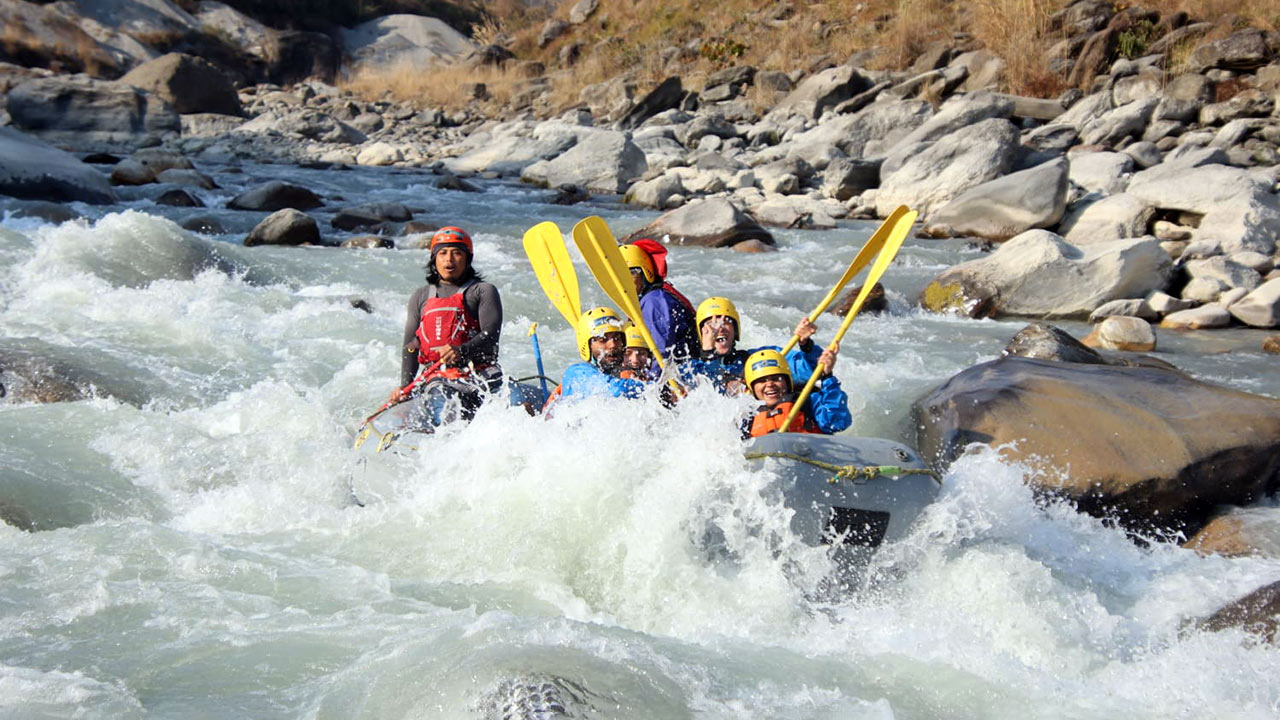
Everest gets the headlines, but it's a small fraction of what's on offer. Nepal's activity list runs long: trekking, mountain biking, whitewater rafting, canyoning, paragliding, bungee jumping, rock climbing, and jungle safaris are all realistic options, often within the same two-week trip. What makes this work logistically is Nepal's compact size. Pokhara, the country's adventure sports hub, sits about 200 kilometers from Kathmandu, a 25-minute domestic flight or a scenic 6 to 7-hour drive. From Pokhara alone, you can paraglider over Phewa Lake in the morning and be on a mountain bike trail by early afternoon.
Paragliding is probably the single most popular add-on for travelers passing through Pokhara. Pilots launch from Sarangkot and ride thermals above Phewa Lake, with the Annapurna range as a backdrop for most of the flight. Most flights run 25 to 30 minutes, tandem with a licensed pilot, and no experience is needed.
Whitewater rafting and kayaking cover a wide range of difficulty. The Trishuli River is the easy, accessible option, often done as a half-day trip between Kathmandu and Pokhara. The Seti and Kali Gandaki rivers offer more technical rapids for people who want a rougher ride, and multi-day rafting expeditions on rivers like the Sun Kosi combine whitewater with overnight camping along the banks.
Bungee jumping and canyoning are concentrated around the Bhote Koshi River near the Nepal-Tibet border, a couple of hours from Kathmandu. The bungee jump there is one of the highest in the world, off a suspension bridge over a deep gorge. Canyoning routes in the same area involve rappelling down waterfalls and natural rock chutes, usually run as a full-day guided activity.
Rock climbing is smaller-scale but growing, with a handful of established crags around Kathmandu Valley and near Pokhara. It's a good option for travelers who want a physical challenge without committing to a multi-day trek.
For travelers who want the adrenaline without weeks of commitment, day trips and short multi-day packages have become the norm rather than the exception. You don't need a month off work to get a real taste of what Nepal offers; three or four well-planned days in the Pokhara valley alone will cover trekking viewpoints, water sports, and biking.
Why Nepal Is One of the World's Best Mountain Biking Destinations
This is where Nepal quietly outperforms almost every other country on the biking circuit, and it doesn't get nearly enough credit for it.
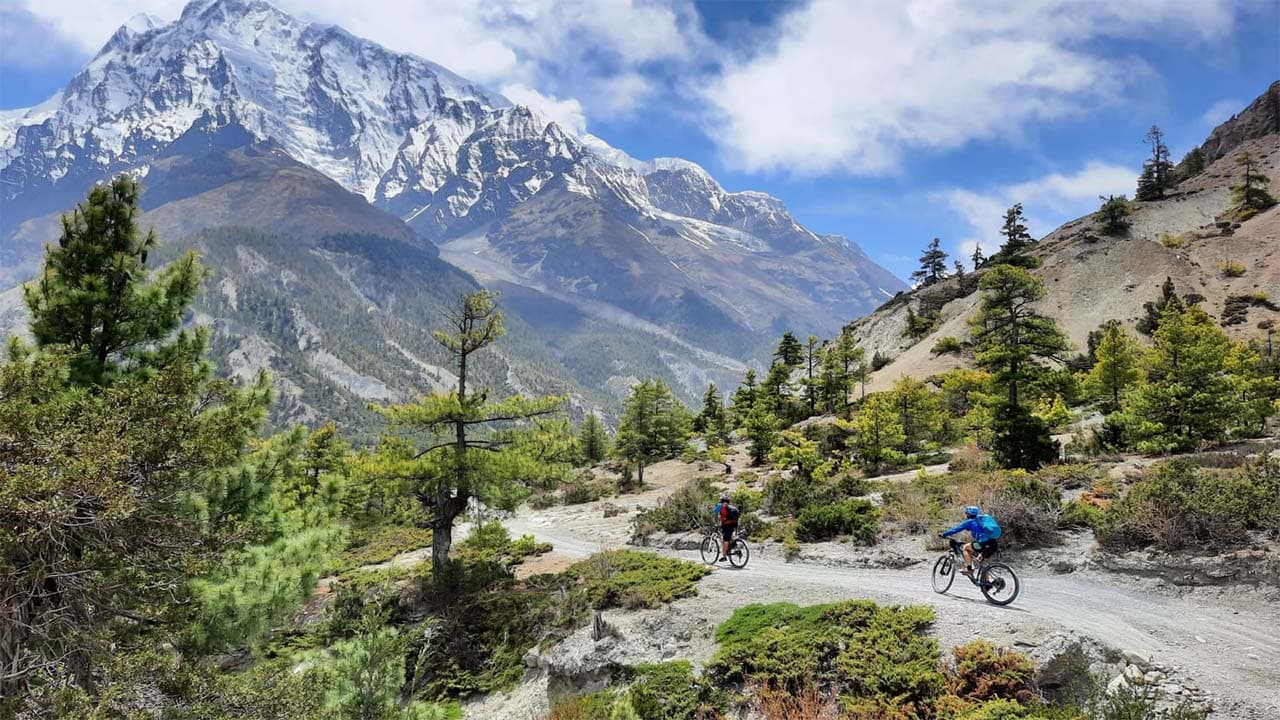
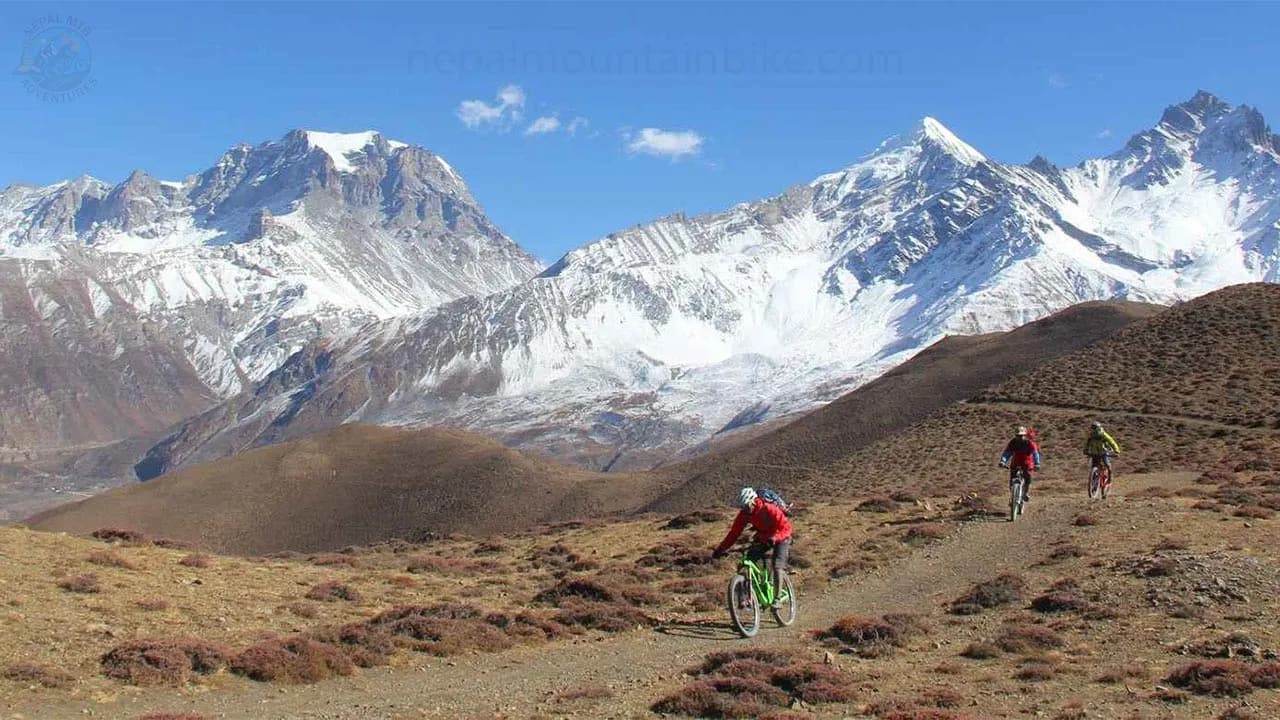
The terrain variety is the draw. Within a single region you can find flowing singletrack through rhododendron forest, technical rocky descents, ancient trade routes converted into trail, and long gravel stretches through high-altitude desert. Add in centuries-old village trails that were never built for bikes but work brilliantly on them, and you get riding that simply doesn't exist in most other mountain biking destinations.
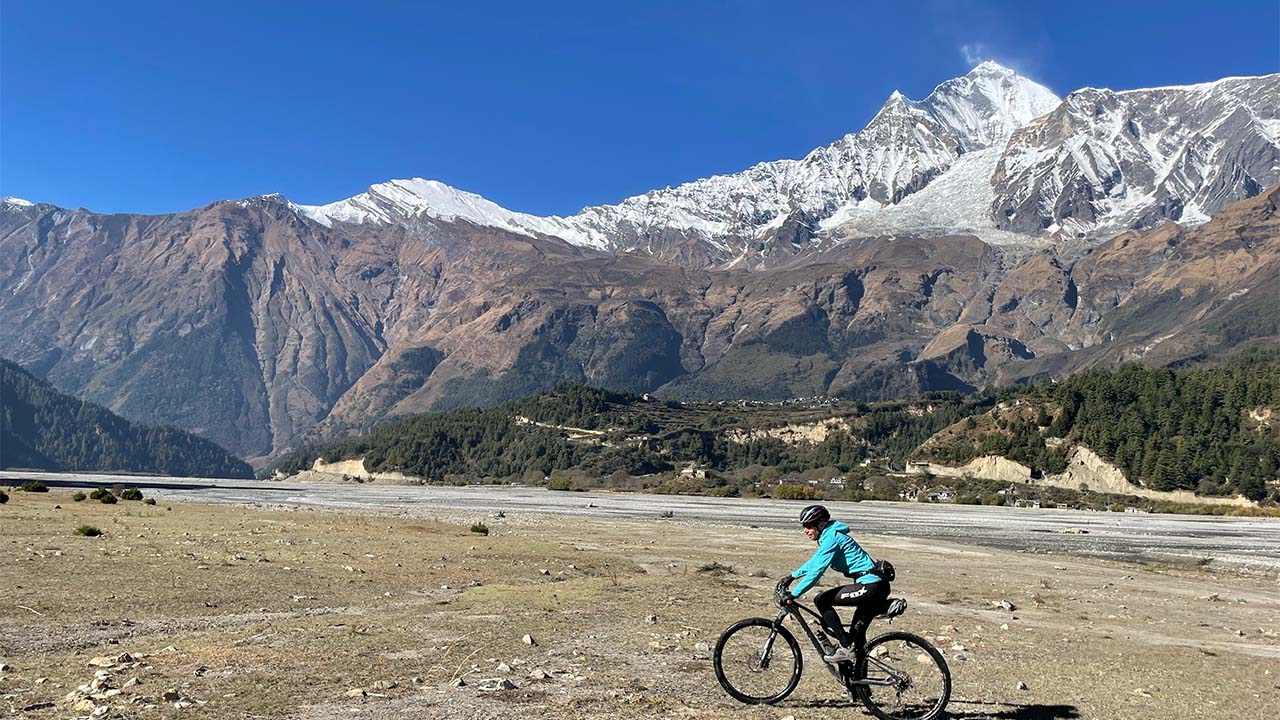
A few standout areas:
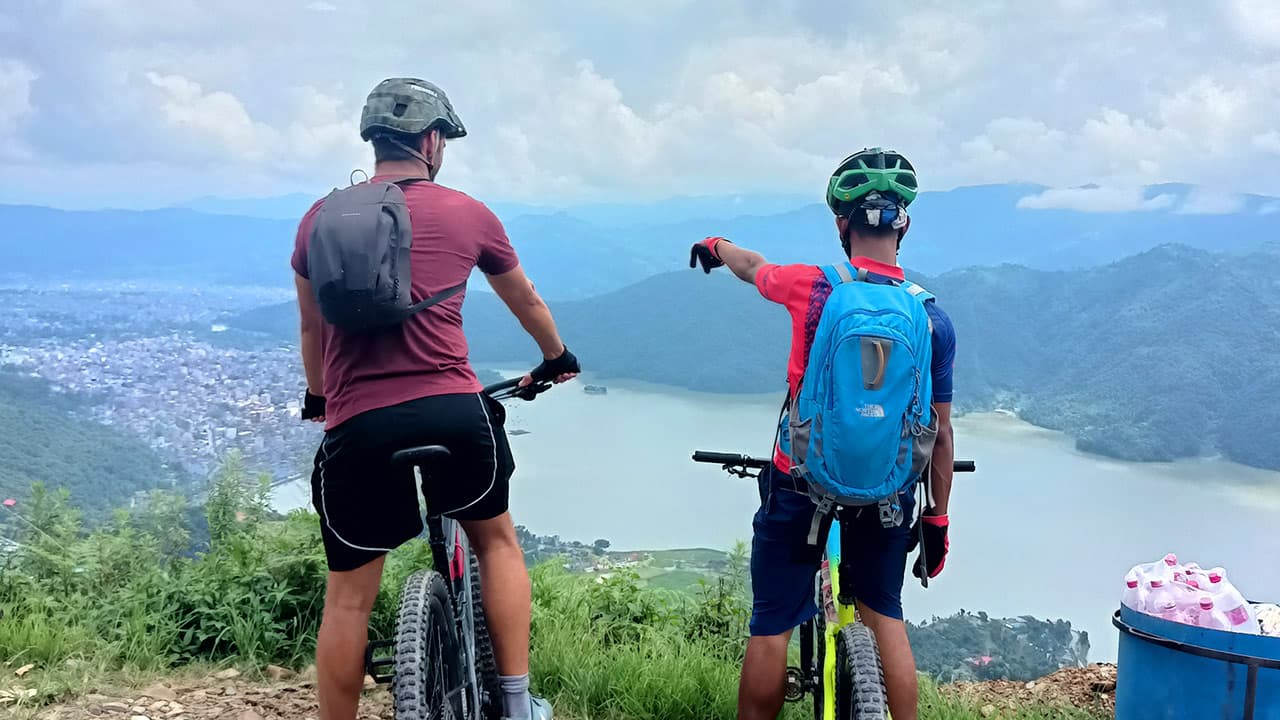
Pokhara is the easiest entry point. The trails around Sarangkot, Kalikasthan, and the Annapurna foothills mix technical singletrack with jaw-dropping mountain views, and most routes are rideable in a single day. If you're new to riding in Nepal or short on time, Pokhara mountain biking is the place to start.
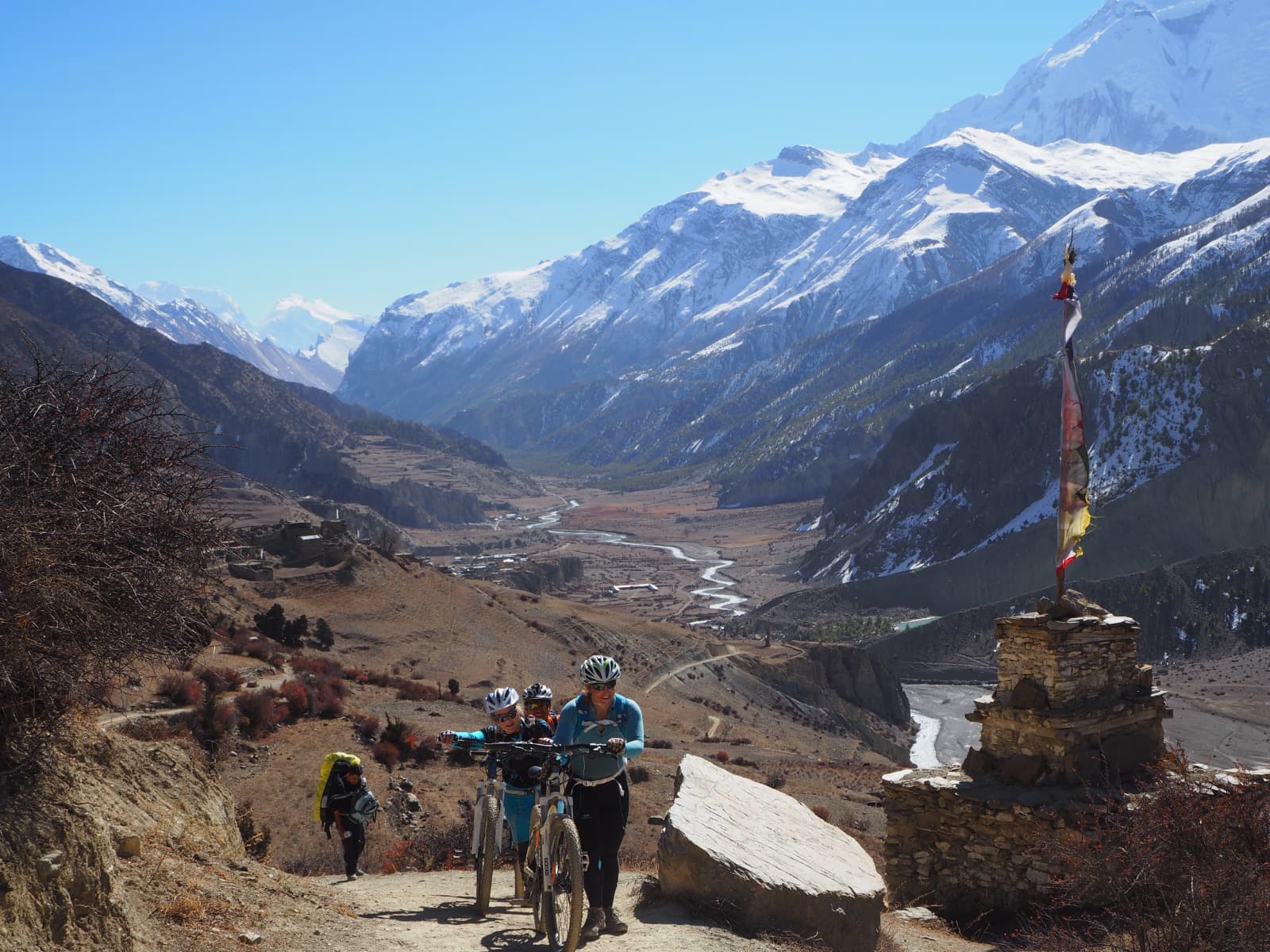
The Annapurna region offers the classic multi-day experience, climbing through terraced farmland and rhododendron forest before dropping into deep river valleys. It's demanding, but the payoff is riding past villages that see very few outside visitors. The Annapurna Circuit mountain bike tour covers this ground properly over multiple days rather than rushing it.
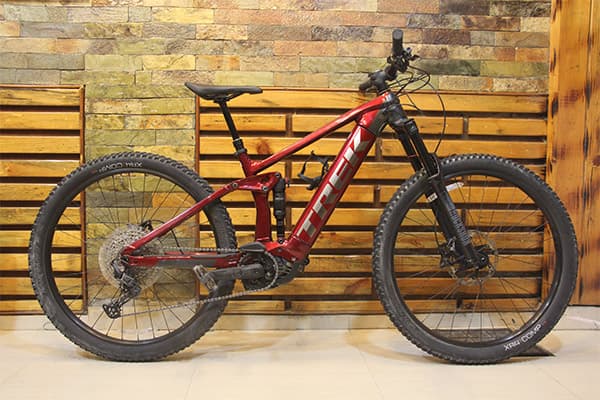
Upper Mustang is a different world entirely, a former Tibetan kingdom cut off from monsoon rains, with a stark, high-desert landscape of red cliffs, wind-carved canyons, and centuries-old cave monasteries. Riding here means long gravel roads, thin air above 3,500 meters, and almost no tourist infrastructure. It's demanding but unforgettable, and it's covered on the Upper Mustang mountain bike tour, with an e-MTB option for riders who want the scenery without quite as much altitude suffering.
Kathmandu Valley is underrated for biking. Beyond the traffic of the city center, the valley rim has singletrack through pine forest with views back down over the Kathmandu skyline a good half-day option for travelers based in the capital.
For riders planning a longer trip, bikepacking through the Annapurna or Mustang regions has become increasingly popular, combining self-supported (or lightly supported) multi-day riding with overnight stays in teahouses along the way. It's a slower, more immersive way to see the terrain than a guided day-trip circuit, and it rewards riders who are comfortable with basic mechanical self-sufficiency at altitude.
Before any multi-day ride, it's worth going through a proper mountain biking packing checklist for Nepal; altitude, dust, and sudden weather changes catch a lot of first-timers off guard.
Trekking Opportunities
Trekking put Nepal on the map, and it's still the activity most travelers associate with the country. The range on offer runs from short, family-friendly walks to serious high-altitude expeditions requiring weeks of acclimatization.
Trek | Typical Duration | Max Altitude | Difficulty |
Poon Hill / Ghorepani | 4–5 days | ~3,210 m | Easy–Moderate |
Annapurna Base Camp | 7–12 days | ~4,130 m | Moderate |
Everest Base Camp | 12–14 days | ~5,364 m | Moderate–Hard |
Annapurna Circuit | 12–18 days | ~5,416 m (Thorong La) | Hard |
Upper Mustang Trek | 10–14 days | ~3,840 m | Moderate |
Poon Hill is the classic starter trek, manageable for most fitness levels and rewarded with one of the best sunrise panoramas over the Annapurna and Dhaulagiri ranges in the country. Everest Base Camp remains the bucket-list route for a reason: walking through Sherpa villages like Namche Bazaar and Tengboche, with Everest, Lhotse, and Ama Dablam visible for days at a stretch, is an experience that holds up to the hype.
Wildlife Experiences
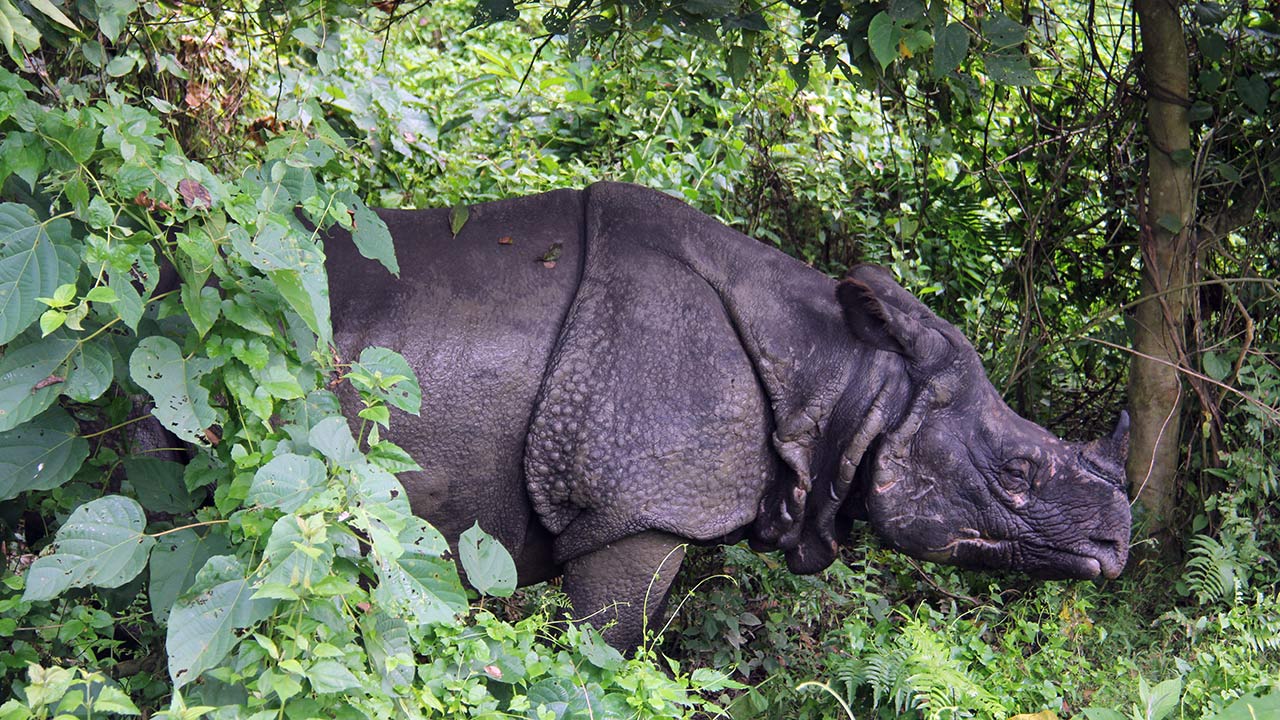
Nepal's biodiversity is genuinely unusual for a country its size. That 200-kilometer elevation swing from lowland jungle to alpine desert creates habitat for roughly 3.2% of the world's flora and 1.1% of its fauna, a disproportionate share for a country covering barely 0.1% of the earth's land area.
Chitwan National Park, a UNESCO World Heritage Site in Nepal's southern Terai lowlands, is the country's premier destination for wildlife viewing. It is one of the last strongholds of the greater one-horned rhinoceros and an important habitat for the Bengal tiger. The park's forests, grasslands, and rivers also support endangered gharial crocodiles and more than 525 recorded bird species. Jeep safaris, canoe rides, and guided jungle walks, typically accompanied by trained naturalist guides and, in designated areas, armed park personnel for visitor safety, are among the most popular ways to explore the park.
Further east, Bardia National Park offers a similar mix of species with noticeably fewer visitors, a good option if Chitwan feels too well-trodden. In the high mountains, the snow leopard remains one of the hardest animals in the world to spot, but its range extends across Nepal's northern trans-Himalayan zone, and dedicated wildlife trekkers do occasionally get lucky.
Heritage Sites
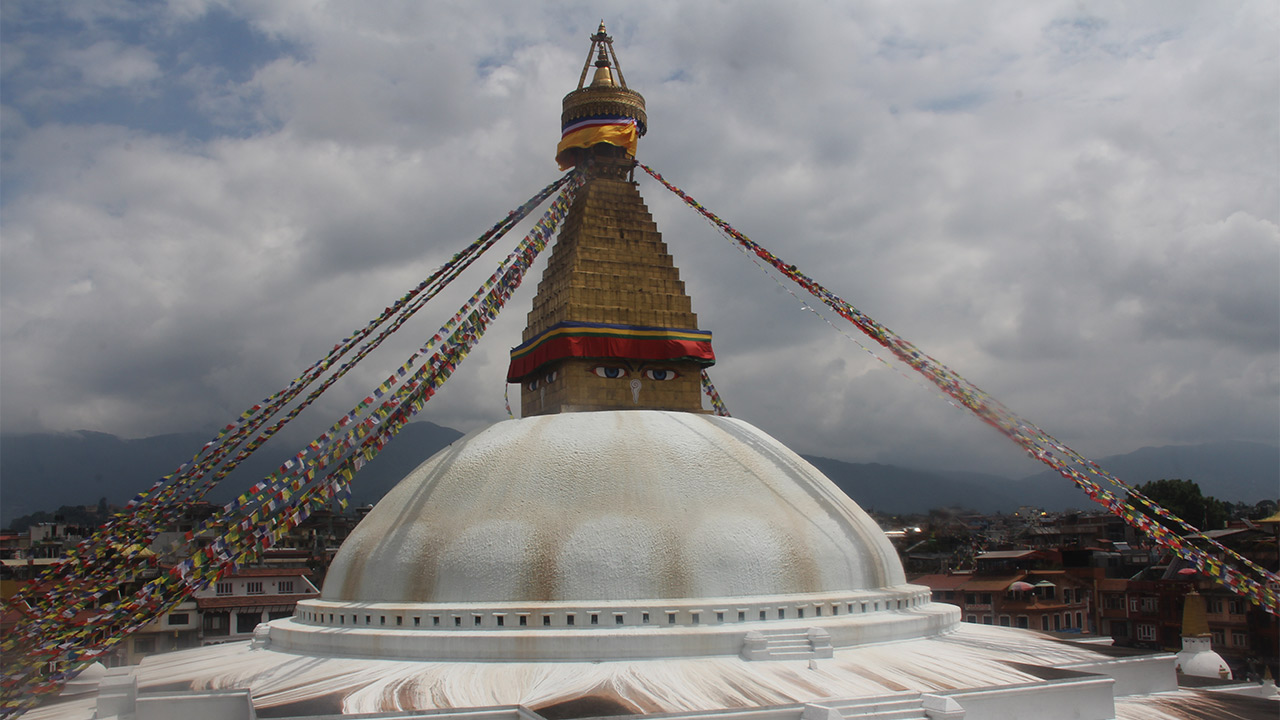
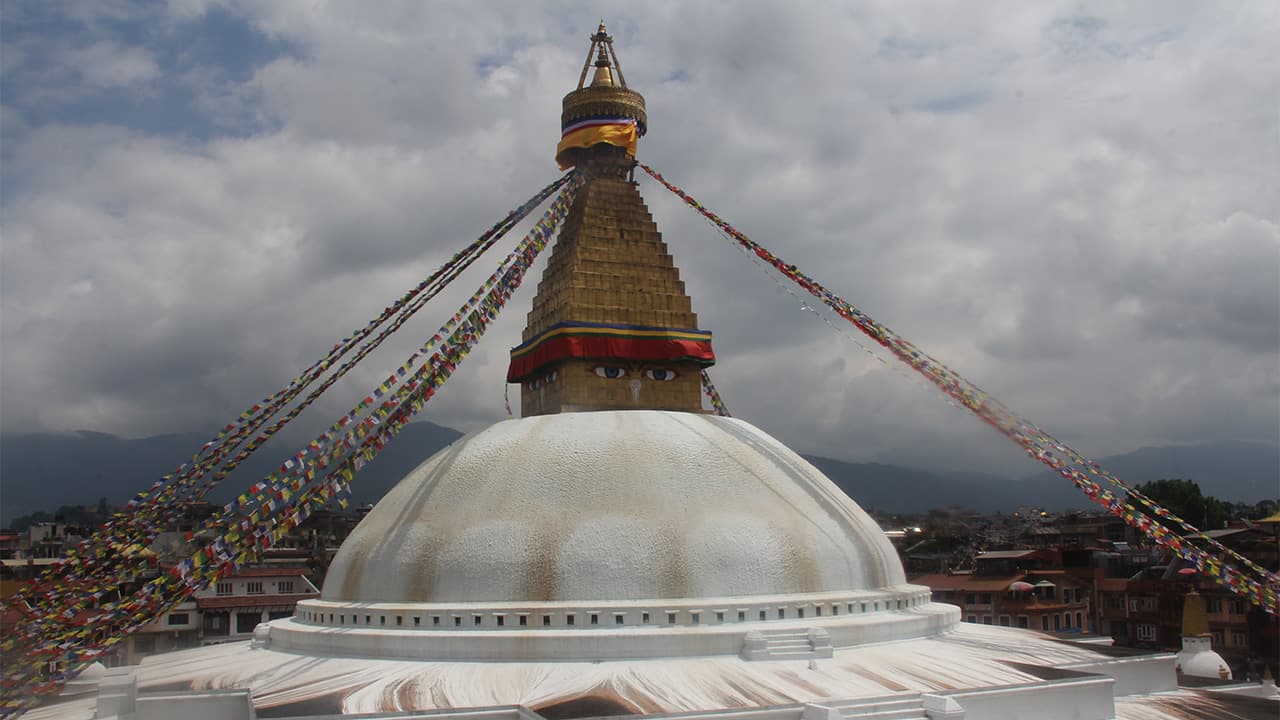
Nepal holds ten UNESCO World Heritage Sites, and seven of them sit within the Kathmandu Valley alone an unusual concentration for a single metropolitan area. These include Kathmandu Durbar Square, Patan Durbar Square, and Bhaktapur Durbar Square, each a former royal palace complex with distinct Newari architecture, alongside the Buddhist stupas of Boudhanath and Swayambhunath and the Hindu temple complex of Pashupatinath.
Outside the valley, Lumbini in the southern Terai is recognized as the birthplace of Siddhartha Gautama, the historical Buddha, and draws pilgrims and history-focused travelers from around the world. Sagarmatha National Park (home to Everest) and Chitwan National Park round out the natural heritage sites on the list.
Spending a day walking between the three Durbar Squares gives a clearer picture of Kathmandu Valley's architectural history than almost anything else you could do in a single day in the capital.
Festivals and Culture
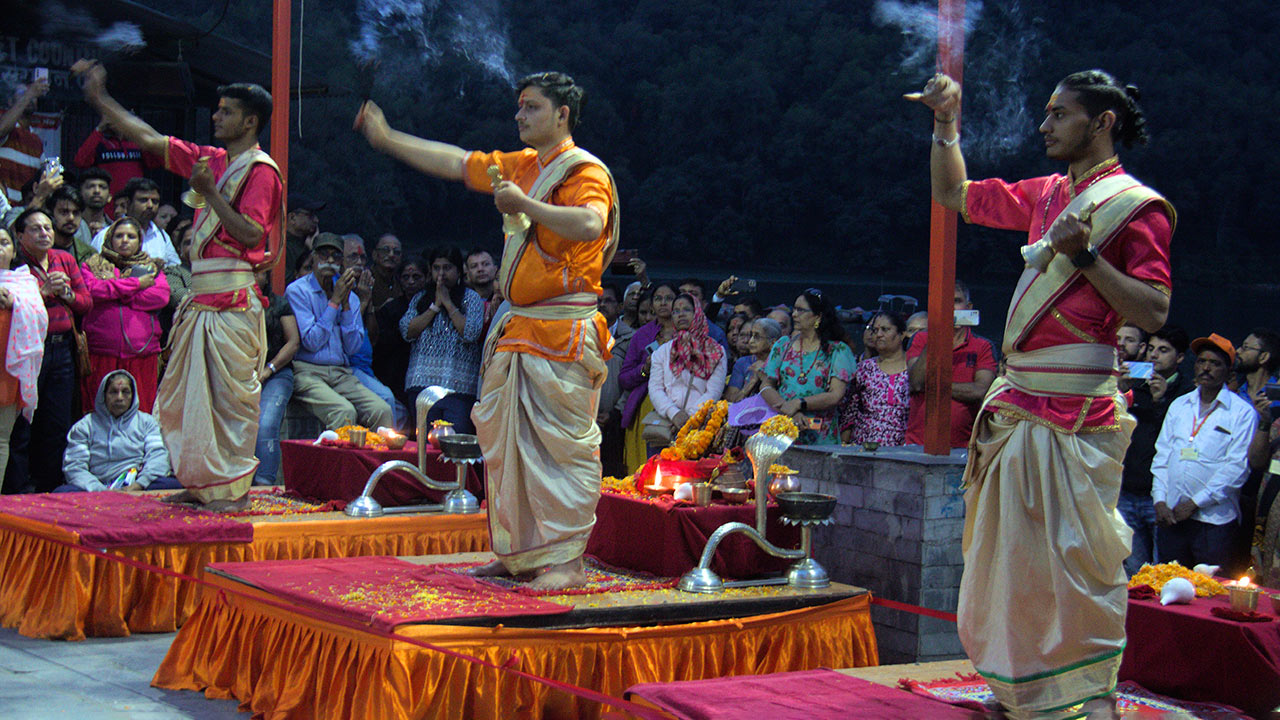
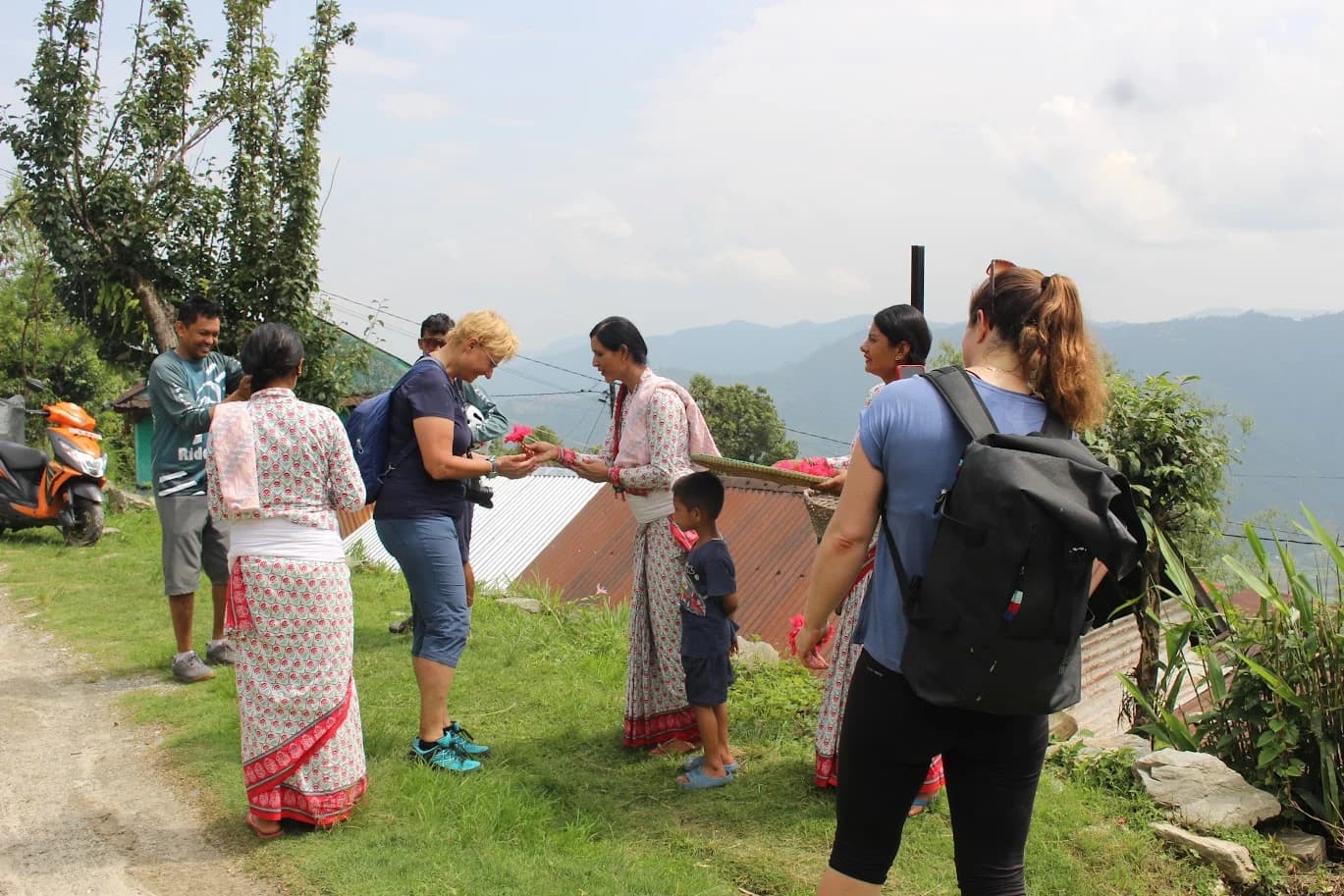
Nepal is home to more than 125 ethnic and linguistic groups, and Nepali serves as the common language across all of them. That diversity shows up most clearly in the festival calendar; there's a saying locally that Nepal has more festivals than days in the year, and while that's obviously not literal, the density of celebrations is real.
Dashain, usually falling in September or October, is the biggest celebration on the calendar, a 15-day festival centered on family reunions, kite flying, and blessings from elders. Tihar follows shortly after and is also called the festival of lights. What makes Tihar distinct is its focus on animals: separate days are set aside to honor crows, dogs, and cows before the human celebration begins, reflecting a belief in the presence of the divine across all living things.
Religious practice in Nepal tends to be relaxed and inclusive rather than strict. The majority Hindu population shares temple spaces, festivals, and daily life with Buddhist, Muslim, Christian, and other communities without much friction, and visitors of any background are generally welcomed into public festival celebrations.
Local Food Worth Trying
Nepali food doesn't get the international recognition of its neighbors, but it's worth building a few meals around while you're there.
Dal bhat: lentil soup, rice, and vegetable curry, the everyday staple across the country. Most trekking lodges serve it with unlimited refills, which matters when you're burning calories at altitude.
Momos: steamed or fried dumplings filled with meat or vegetables, Nepal's answer to street food done right. Found everywhere from roadside stalls to sit-down restaurants.
Newari cuisine: the traditional food of the Kathmandu Valley's indigenous Newar community, built around dishes like choila (spiced grilled meat) and yomari (sweet rice dumplings), usually served as part of a much larger platter called khaja set.
Sel roti is a ring-shaped, slightly sweet fried rice doughnut made from a fermented rice batter. It is a traditional Nepali delicacy, especially popular during festivals such as Dashain and Tihar.
Butter tea and local raksi: a salted, buttery tea common in the high mountains, and a home-distilled rice or millet spirit found in most trekking villages.
Best Time to Visit Nepal
Nepal is a year-round destination, with each season offering its own unique landscapes, activities, and cultural experiences, so "best time" depends partly on what you're planning to do. That said, two windows stand out for most travelers.
Season | Months | Conditions | Best For |
Autumn | Late September – November | Clear skies, stable weather, mild temperatures | Trekking, mountain biking, mountain views |
Spring | March – May | Warm days, rhododendrons in bloom, some haze | Trekking, biking, festivals |
Winter | December – February | Cold at altitude, clear air, quieter trails | Lower-altitude treks, budget travel |
Monsoon | June – September | Heavy rain, landslide risk, lush greenery | Upper Mustang (rain shadow), cultural sightseeing |
Autumn is generally considered the peak season; visibility is at its best, trails are dry, and temperatures are comfortable at most altitudes. Spring runs a close second, with the bonus of rhododendron forests in full bloom across the mid-hills. Monsoon season, while wet almost everywhere else, is actually one of the better times to ride in Upper Mustang, since the region sits in a rain shadow behind the Annapurna and Dhaulagiri ranges and stays largely dry while the rest of the country floods. For a more detailed breakdown by activity, see this guide to the best time for mountain biking in Nepal.
Nepal for Different Types of Travelers
Adventure travelers and mountain bikers will find more terrain variety here than in most established biking destinations; see the mountain biking section above for specifics.
Trekkers get a genuine range of options, from four-day introductory routes to three-week high-altitude expeditions, with well-established teahouse infrastructure along the major trails.
Families tend to do well in the Pokhara and Chitwan region, combining lower-intensity activities like short hikes, boating on Phewa Lake, and jungle safaris that work for a wide range of ages.
Budget travelers benefit from Nepal's cost of living; accommodation, food, and domestic transport remain inexpensive by international standards, and Nepal regularly ranks among the more affordable countries for international travel.
Solo and female travelers generally report feeling safe in Nepal, particularly in the well-established tourist circuits around Kathmandu, Pokhara, and the major trekking routes, though the usual precautions that apply to solo travel anywhere still apply here.
Practical Travel Tips
Visa: Most travelers can obtain a tourist visa on arrival at Tribhuvan International Airport and designated land border crossings. This includes citizens of the United States, Canada, the United Kingdom, Australia, New Zealand, most European countries, Japan, South Korea, Singapore, and many other nations. Indian citizens do not need a visa to enter Nepal. If you're unsure how long you'll stay, consider a longer-validity visa, as flight delays, weather disruptions, or the desire to spend a few extra days exploring Nepal are common. Always check the latest visa requirements and fees with Nepal's Department of Immigration before you travel.
Currency and money: The Nepalese rupee is the local currency. ATMs are common in Kathmandu and Pokhara but scarce once you're on a trekking or biking route, so carry enough cash before heading into the hills.
Local transportation: Domestic flights connect Kathmandu to Pokhara, Lukla, and other regional hubs quickly, though weather delays are common, especially around Lukla. Tourist buses and private jeeps cover longer overland routes. Within cities, taxis and ride apps are the easiest options.
Altitude: If you're trekking or biking above 3,000 meters, build in acclimatization days. Altitude sickness doesn't discriminate by fitness level, and rushing the ascent is the single biggest cause of trip-ending illness in the mountains.
Packing: Layering matters more than any single piece of gear; mornings can be near freezing at altitude while afternoons are warm. A proper packing list matters even more for biking than trekking, since mechanical issues at altitude are harder to fix without the right tools on hand.
Connectivity: A local SIM card (NCELL or Ntc) is cheap and gives decent 4G coverage in cities and along major trekking routes, though signal drops out completely in more remote sections.
Language and greetings: Nepali is the official language, though English is widely spoken in tourist areas, hotels, and by trekking and biking guides. A friendly "Namaste" (or "Namaskar," a slightly more formal greeting) with palms pressed together is the traditional way to greet people and is always appreciated by locals.
Nepal rewards travelers who come with a plan but stay flexible enough to adjust it. Weather at altitude doesn't always cooperate, and some of the best experiences a village festival you stumble into, a trail a local guide suggests on the spot aren't the ones you can book in advance. Whatever combination of trekking, biking, wildlife, and culture you build into your trip, Nepal's compact geography means you won't spend most of your time in transit getting between them.
Frequently Asked Questions
What are the visa requirements for traveling to Nepal?
Most travelers can obtain a tourist visa on arrival at Tribhuvan International Airport in Kathmandu or at designated land border crossings. This includes citizens of the United States, Canada, the United Kingdom, Australia, New Zealand, most European countries, Japan, South Korea, Singapore, and many other nations. Indian citizens do not need a visa to enter Nepal. Visa costs vary by length of stay and change from time to time, so it's worth checking the current fees directly with Nepal's Department of Immigration before you travel rather than relying on an old figure you saw online.
Do I need a guide or permits to trek in Nepal?
For most major routes, yes. Independent trekkers on trails like Annapurna Base Camp need a TIMS (Trekkers' Information Management System) card and an Annapurna Conservation Area Permit (ACAP). Everest region treks require a Sagarmatha National Park permit plus a local area entry fee. Since 2023, solo trekking without a licensed guide has been restricted on most popular routes, so factoring a guide into your plans early is worth doing rather than assuming you can just show up and walk.
What is the best time to visit Nepal?
Nepal is a year-round destination, with each season offering its own unique experiences. Spring and autumn are popular for trekking, mountain biking, and clear Himalayan views, while summer brings lush landscapes and is the best time to visit the rain-shadow region of Upper Mustang. Winter offers crisp mountain scenery, fewer crowds, and pleasant weather for lower-altitude adventures, wildlife safaris, and cultural sightseeing. The best time to visit ultimately depends on the experiences you're looking for.
How many days do I need in Nepal?
Ten to fourteen days is a realistic minimum for a first trip that covers Kathmandu, Pokhara, and one proper trek or multi-day bike route without rushing. A week is enough for a taste of the country if you stick to the Kathmandu-Pokhara corridor, but anything shorter starts to feel like a layover rather than a trip.
Is Nepal an expensive country to visit?
No, it's one of the more affordable destinations in Asia, particularly for accommodation, food, and local transport. Where costs add up is anything involving guided treks, permits, specialized gear, or flights to remote airstrips, so it's worth getting a detailed quote from your operator rather than budgeting off general assumptions, since costs shift with season, group size, and route.
Do I need travel insurance to visit Nepal?
It isn't legally required to enter the country, but any operator running trekking, biking, or high-altitude tours will expect you to have it, and for good reason. Look specifically for a policy that covers high-altitude trekking (many exclude anything above 3,000-4,000 meters unless you add that coverage) and emergency helicopter evacuation, since that's the standard rescue method if something goes wrong in the mountains.
Is it safe to travel solo in Nepal?
Generally, yes, particularly along the established tourist and trekking circuits. For more remote or technically demanding routes, traveling with a guide or a group is the safer call, both for navigation and in case of altitude-related emergencies.
Do I need any vaccinations before traveling to Nepal?
There's no mandatory vaccination for entry from most countries, but Hepatitis A and Typhoid are commonly recommended given food and water conditions, and some travelers also get Japanese Encephalitis or rabies vaccines depending on how rural their itinerary gets. This is worth a conversation with a travel clinic 4-6 weeks before departure rather than something to sort out last minute.
Is it safe to drink tap water in Nepal?
No. It's best to drink bottled, boiled, or properly filtered water throughout your trip. While some rural mountain areas have natural spring water that locals may drink, visitors should avoid drinking water directly from taps or springs unless it has been treated or your guide confirms it is safe. For trekking, carrying a water purification method such as tablets, a UV purifier, or a filter bottle is the safest and most sustainable option. Ice at reputable restaurants in Kathmandu and Pokhara is generally safe, but it's always worth asking if you're unsure.
Can I use credit cards in Nepal, or is it a cash-based economy?
Cash is still king outside Kathmandu and Pokhara. Cards are accepted at hotels, larger restaurants, and shops in the two main cities, but once you're on a trekking or biking route, expect cash-only transactions, including at most teahouses. Carry more cash than you think you'll need before heading into rural areas, since ATMs disappear quickly once you leave the main hubs.
What does altitude sickness feel like, and how do I avoid it?
Early symptoms are headache, nausea, fatigue, and loss of appetite, usually starting above 2,500-3,000 meters. The main prevention is pacing your ascent; most itineraries above 3,500 meters build in dedicated acclimatization days along with drinking more water than usual and avoiding alcohol at altitude. If symptoms worsen rather than level off, the only real treatment is descending, not pushing through.
Do I need trekking or biking experience to visit Nepal?
No. Nepal has routes and tours suited to complete beginners as well as experienced riders and trekkers. Shorter, lower-altitude options around Pokhara are a reasonable starting point if you're new to either activity.