

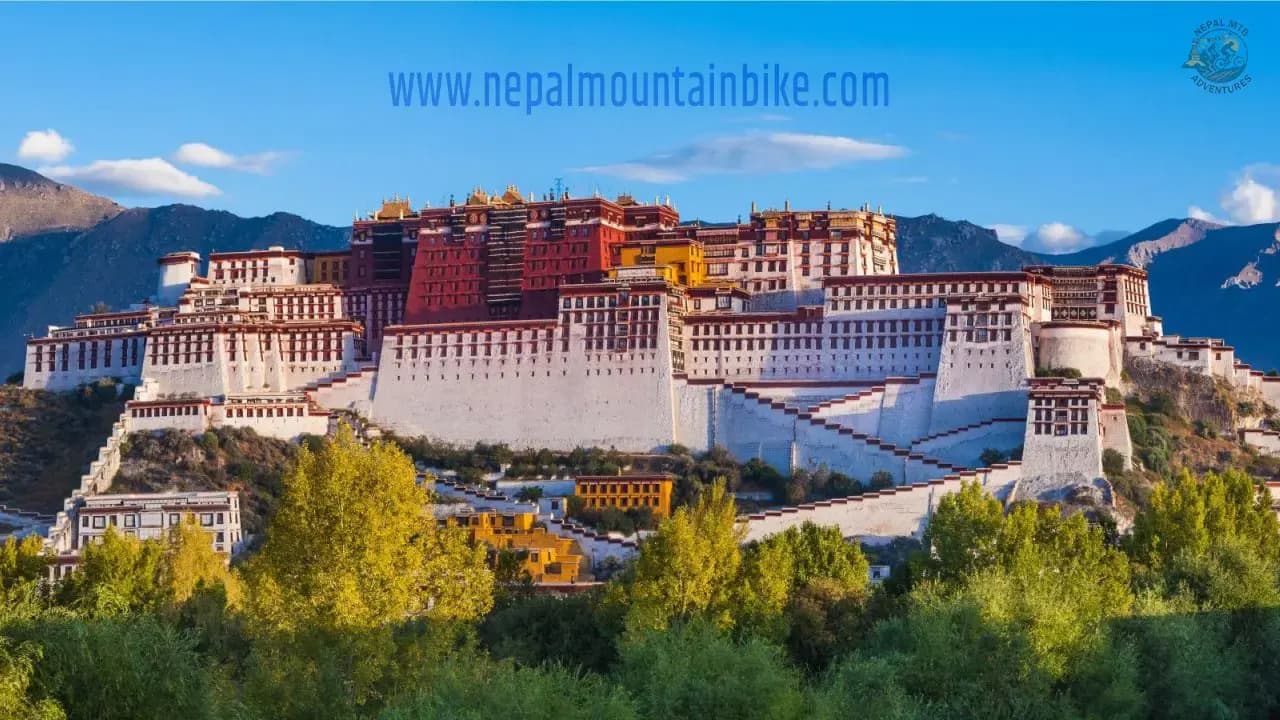
Cycling the Roof of the World, from Lhasa to Kathmandu
The ride from Lhasa to Kathmandu is one of the great cycling journeys on earth. It carries you across the Tibetan Plateau, over a string of passes above 5,000 meters, past the north face of Mount Everest, and then down one of the longest mountain descents anywhere, into the green hills of Nepal. This is not a day trip or a weekend loop. It is a true expedition, a bucket-list adventure for riders who want to test themselves against the highest road in the world.
The route follows the famous Friendship Highway, the historic road that links Tibet's capital, Lhasa, with Kathmandu. Along the way, you ride past turquoise high-altitude lakes, ancient walled towns, giant glaciers, and remote Tibetan villages where life has changed little in centuries. You climb to the foot of Everest from the Tibet side, sleep near the world's highest monastery, and cross wide, wind-swept plains with snow peaks on every horizon. Few trips pack this much wonder into a single ride.
This journey is built for fit, experienced riders who are ready for high altitude, long days, and a real challenge. The reward is enormous. You finish having pedaled across the Himalaya itself, from the heart of the Tibetan Plateau down to the valleys of Nepal, with memories and views that almost no other trip can match.
The Route at a Glance
The Friendship Highway runs roughly 1,000 kilometers from Lhasa to the Nepal border and on to Kathmandu. The classic line links a chain of famous Tibetan towns and landmarks: Lhasa, then Gyantse, Shigatse, Lhatse, the Everest area and Rongbuk, the border crossing, and finally the long drop to Kathmandu. Along the way, you cross several high passes, including Gyatso La at about 5,248 meters, the highest point on the entire highway.
This is high-altitude riding from start to finish. Lhasa itself sits at around 3,600 meters, and much of the route stays well above 4,000 meters, with the passes pushing past 5,000. The air is thin, the distances are long, and the weather can be harsh, which is exactly why this ride is such a badge of honor. A support vehicle travels with the group throughout, carrying gear, food, and backup, so you can focus on the riding and the views.
Starting in Lhasa
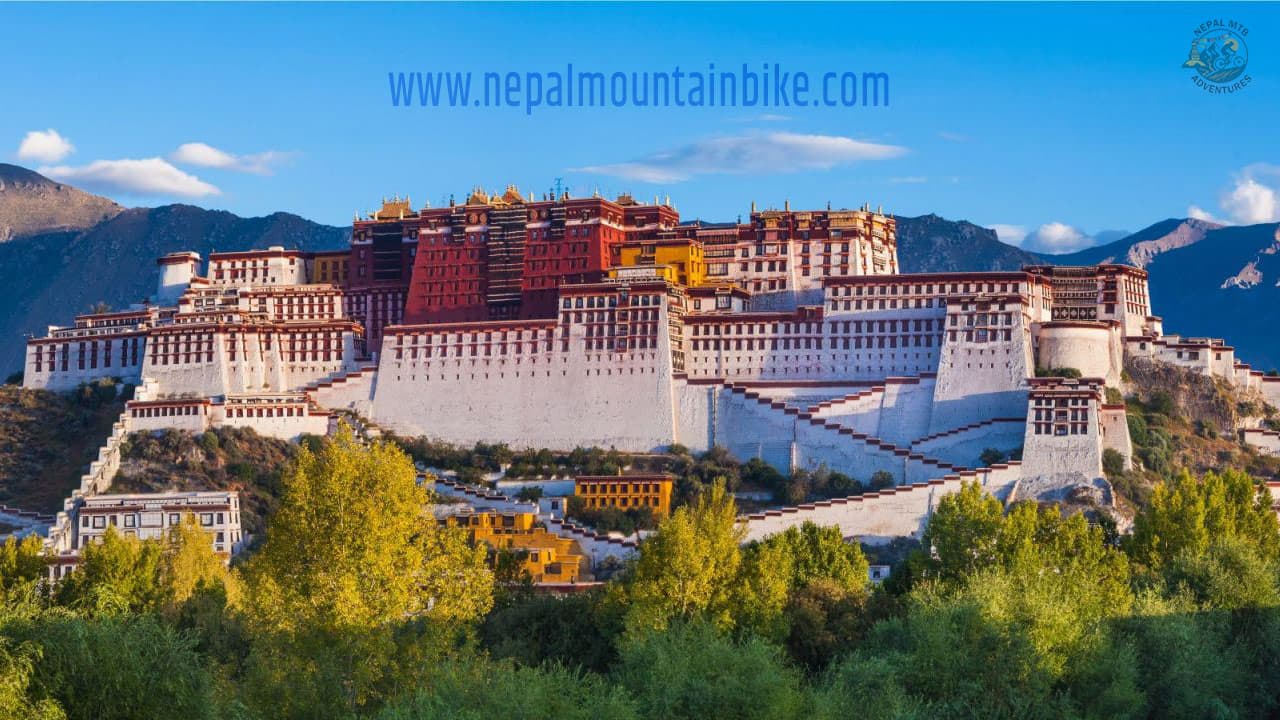
The journey begins in Lhasa, the spiritual and historic heart of Tibet. Before the ride starts, you spend time here both to see the city and to let your body begin adjusting to the altitude. Lhasa is home to some of the most important sites in Tibetan Buddhism, including the towering Potala Palace, the former home of the Dalai Lamas, and the sacred Jokhang Temple, where pilgrims gather from across the plateau. Taking these days in Lhasa is not just sightseeing; it is a key part of acclimatizing safely before you climb higher.
Highlights Along the Way
The Friendship Highway is packed with world-class sights, and on a bike, you experience them slowly and fully. Among the highlights riders look forward to most are:
Yamdrok Lake, a vast, shining turquoise lake held sacred by Tibetans
Karola Glacier, a huge wall of ice that comes right down toward the road
Gyantse, an ancient town famous for its old fort and grand stupa
Shigatse, the second city of Tibet and home to the great Tashilhunpo Monastery
Everest from the north, the rarely seen Tibetan face of the world's highest peak
Rongbuk, near the highest monastery on earth, with stunning Everest views
Each of these comes after real effort, which makes them all the more powerful. Cresting a high pass with prayer flags snapping in the wind, then seeing a turquoise lake or a glacier spread out below, is the kind of moment this ride is made of.
The Great Descent into Nepal
After days of high, dry plateau riding, the route reaches the border and then begins one of the longest and most dramatic descents in all of cycling. The land drops from the bare, wind-swept heights of Tibet down into the green, humid valleys of Nepal in a remarkably short distance. The change is incredible. Within a day the scenery shifts from rock and ice to forest, waterfalls, and terraced fields, and the thin air thickens with every kilometer. This long downhill into Kathmandu is the perfect, joyful finish to a hard and beautiful journey.
Tibetan Culture on the Plateau
This ride is as much a cultural journey as a physical one. The Friendship Highway passes through the heartland of Tibetan Buddhism, and signs of faith are everywhere. You ride past monasteries, chortens, and mani walls, see prayer flags strung across every pass, and meet nomads and villagers whose way of life is deeply tied to the land. Visiting great monasteries like Tashilhunpo and pausing at sacred lakes and high passes gives the trip a depth that goes far beyond the riding. You come away with a real sense of one of the world's most remarkable mountain cultures.
Who This Journey Is For
This is an advanced, high-altitude expedition, and it is best for fit, experienced riders who are ready for a serious challenge. You should be comfortable with long days in the saddle, sustained climbing, and the demands of riding at very high elevation. You do not need to be a racer, but you do need solid endurance fitness and the right mindset for a tough, rewarding adventure.
Because of the altitude and the remote setting, this trip is not suited to complete beginners. If you are new to riding, it is far better to build experience on gentler destinations first, such as Pokhara, the Kathmandu Valley, or a mid-level tour, and work toward a journey like this. We are always happy to give you an honest assessment of whether you are ready.
Altitude and Safety
Altitude is the most important safety factor on this ride. Lhasa sits at around 3,600 meters, and some mountain passes rise above 5,000 meters, so your body needs proper time to adapt. The itinerary is designed to gain height slowly and carefully, with acclimatization days included early in the journey to reduce the risk of altitude sickness.
How we manage altitude safely
Acclimatization days are included, especially early in the trip
Height gain is staged gradually, not rushed
Guides monitor riders closely for signs of altitude sickness
The plan can be adjusted if someone needs more time to recover
A support vehicle stays with the group throughout the ride
Riders can rest in the vehicle when needed and continue riding when they feel ready
Permits and How It Works
Riding through Tibet is different from riding in Nepal because Tibet has special travel rules. All foreign visitors must travel on a pre-arranged, guided tour with the correct permits, accompanied by a licensed local Tibetan guide and a support team. Independent, solo cycling is not allowed. You will also need a Chinese visa in addition to the Tibet travel permits.
The good news is that we handle this for you. As part of the tour, we arrange the required Tibet permits and the support and guiding setup, and we advise you on the visa steps you need to take. Because these permits take time and follow strict rules, this is a trip to book well in advance rather than at the last minute.
Best Time to Ride
The best windows for this journey are spring and autumn, when the plateau weather is most stable.
Spring (April to mid-June): Mild days, crisp air, and good conditions on the plateau, with clearer Everest views as the season settles.
Autumn (September to October): Often the most reliable window, with stable weather, clear skies, and excellent mountain views.
Summer (July to August): The warmer months can bring monsoon rain to the Nepal side and the descent, though the high plateau stays drier.
Winter (November to March): Very cold and harsh at altitude, with closed passes and difficult conditions. This is not a recommended time.
What to Bring
This is a cold, high, demanding ride, so good gear is essential. We recommend:
A warm layering system, including a proper down or insulated jacket
Windproof and waterproof outer layers for exposed passes
Warm gloves, a hat, and buff or face cover for cold, windy days
Strong sun protection, including sunglasses, sunscreen, and lip balm, since high-altitude sun is fierce
A good sleeping bag rated for cold nights
A hydration system and high-energy snacks
Personal medicines and any altitude medication advised by your doctor
We can provide a quality mountain bike and helmet, and we will send you a full, detailed packing list once you book, so you arrive fully prepared.
What Your Trip Includes
Because this is a complex cross-border expedition, our tours are built to take care of the hard logistics. Most trips include:
A licensed local Tibetan guide and a full support team
A support vehicle carrying gear, food, and backup throughout
Tibet travel permits and required documentation
A quality mountain bike and helmet, if you are renting from us
Accommodation along the route, from city hotels to simple guesthouses
Meals as listed on the tour
A high-altitude safety, support, and first-aid plan
The exact day-by-day plan, inclusions, and visa guidance are provided on the tour page and after booking, so you know exactly what to expect.