

 hard
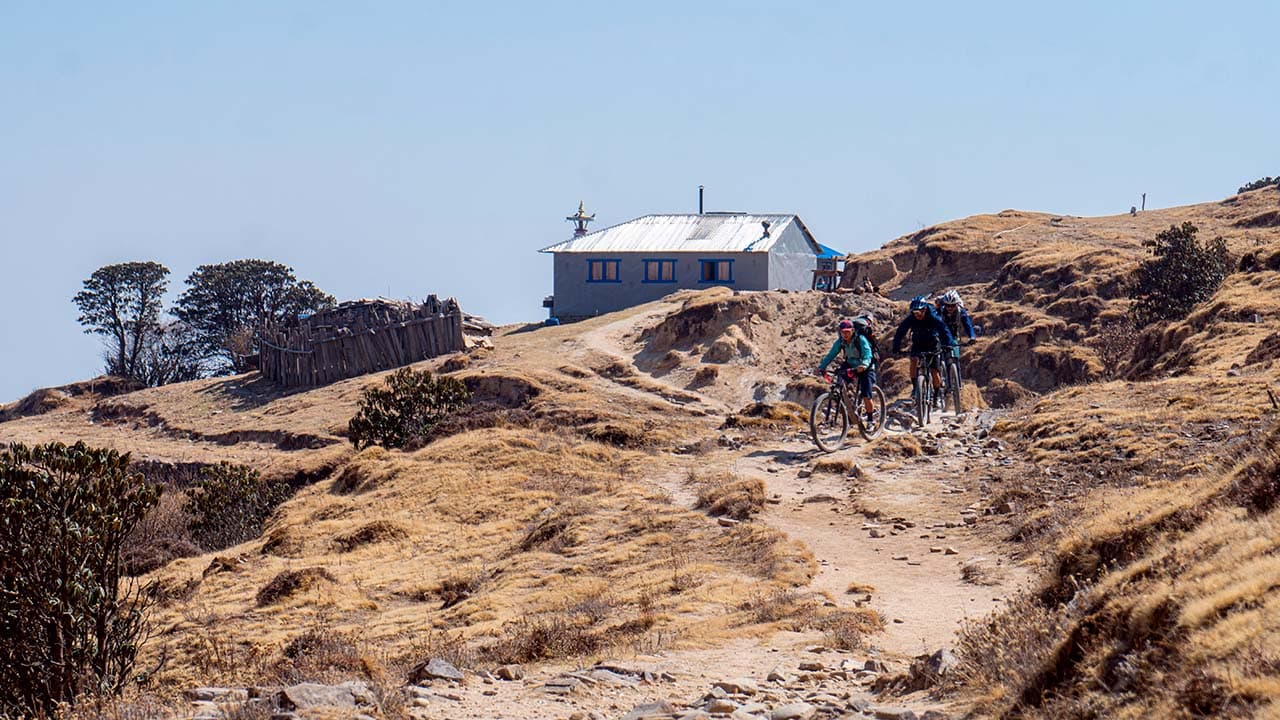
hardMountain biking tour in Pikey Peak's wilderness
Everest/Pikey Peak6 days
$ 2091
Price may vary according to your plan
Everest Pikey Peak Trek is one of the most beautiful and peaceful trekking routes in the lower Everest region of Nepal. It is famous for its wide Himalayan views, peaceful trails, Sherpa culture, Buddhist monasteries, traditional villages, and stunning sunrise scenery. Unlike the crowded Everest Base Camp route, Pikey Peak offers a calm and natural trekking experience where travelers can enjoy the beauty of the Himalayas in a more relaxed way.
Pikey Peak is especially popular because it provides one of the finest panoramic views of Mount Everest and other great Himalayan peaks. From the top of Pikey Peak, trekkers can see snow-covered mountains, deep valleys, green hills, forests, villages, and open landscapes. The journey is not only about reaching the viewpoint; it is also about experiencing the lifestyle, culture, and hospitality of the people living in the Everest region.
This trek is suitable for those who want to see Mount Everest but do not have enough time or physical preparation for a long and difficult trek like Everest Base Camp. It is a perfect choice for students, nature lovers, photographers, adventure travelers, and anyone who wants to explore the hidden beauty of Nepal.
Pikey Peak lies in the Solukhumbu district of Nepal, which is part of the Everest region. It is situated in the lower Khumbu area, away from the busiest trekking paths. The peak stands at an elevation of about 4,065 meters above sea level.
The trek usually starts after a drive from Kathmandu to places like Dhap or Salleri. From there, trekkers walk through villages, forests, hills, monasteries, and open ridges before reaching Pikey Peak Base Camp and finally the summit viewpoint.
Because of its location, Pikey Peak gives trekkers a chance to enjoy both mountain views and rural Nepali lifestyle. The trail passes through traditional Sherpa settlements, Buddhist prayer walls, mani stones, stupas, monasteries, and rhododendron forests.
Pikey Peak is famous mainly for its breathtaking sunrise view over the Himalayas. Early in the morning, trekkers climb to the top of the peak to watch the first golden light touch the snow-covered mountains. The view becomes magical as the sky changes color and the mountains begin to shine.
From the summit, trekkers can see several Himalayan ranges, including Mount Everest, Lhotse, Makalu, Kanchenjunga, Numbur Himal, and other surrounding peaks. On a clear day, the view feels endless.
Another reason Pikey Peak is special is its peaceful environment. The route is less crowded compared to other Everest region treks. This makes the journey more personal and relaxing. Trekkers can walk slowly, enjoy nature, talk with local people, and experience the true charm of mountain life.
The main attraction of the trek is the amazing view of Mount Everest. Trekkers can see Everest from different points along the trail, but the view from Pikey Peak summit is the most beautiful. The mountain appears among many other Himalayan giants, creating a powerful and unforgettable scene.
The sunrise from Pikey Peak is one of the best experiences of the trek. Trekkers usually wake up very early and hike to the viewpoint before sunrise. As the sun rises, the mountains slowly turn golden, making the moment peaceful and inspiring.
The trail passes through Sherpa villages where trekkers can observe local culture, traditional houses, farming lifestyle, Buddhist traditions, and warm hospitality. The Sherpa people are known for their kindness, strength, and deep connection with the mountains.
Along the route, trekkers can visit monasteries, stupas, prayer flags, and mani walls. These spiritual sites make the trek culturally rich and peaceful. The colorful prayer flags moving in the wind add beauty to the Himalayan landscape.
During spring, the forests along the trail become colorful with blooming rhododendron flowers. The path also includes pine forests, open hills, green valleys, yak pastures, and mountain ridges. The natural environment is fresh and beautiful throughout the journey.
Pikey Peak is still less crowded than popular routes like Everest Base Camp or Annapurna Base Camp. This makes it a great option for trekkers who want a quiet and authentic Himalayan experience.
The journey begins with a drive from Kathmandu to Dhap. The road passes through hills, rivers, small towns, and rural landscapes. After reaching Dhap, trekkers can rest and prepare for the walking journey.
The trek starts from Dhap and continues toward Jhapre. The trail offers beautiful views of hills and mountains. Jhapre is a small village with Buddhist culture, prayer flags, and peaceful surroundings.
This day involves walking through forests, open ridges, and yak pastures. The trail gradually climbs toward Pikey Peak Base Camp. Trekkers can enjoy mountain views and fresh air throughout the day.
Trekkers wake up early and hike to the summit of Pikey Peak for sunrise. This is the most important and beautiful part of the trek. After enjoying the view, the journey continues down toward Junbesi, a traditional village with cultural and religious importance.
Junbesi is a beautiful Sherpa village. Trekkers can explore monasteries, interact with local people, and enjoy the peaceful village environment. This day gives a deeper cultural experience.
The trail continues toward Phaplu or Salleri. This is usually the final walking day of the trek. The route passes through villages, forests, and terraced fields.
After completing the trek, trekkers drive back to Kathmandu. The journey ends with beautiful memories of mountains, culture, villages, and nature.
The best seasons for the Pikey Peak Trek are spring and autumn.
Spring falls from March to May. During this time, the weather is pleasant, the forests are colorful with rhododendron flowers, and the mountain views are usually clear.
Autumn falls from September to November. This season is considered one of the best times for trekking in Nepal. The sky is clear, the temperature is comfortable, and the Himalayan views are excellent.
Winter is also possible for experienced trekkers, but it can be very cold at higher elevations. Monsoon season is less recommended because rain, clouds, and slippery trails can make the trek more difficult.
Pikey Peak Trek is considered a moderate trek. It is easier than Everest Base Camp Trek, but trekkers still need basic fitness and preparation. The trail includes uphill and downhill walking, forest paths, village routes, and high-altitude sections.
The highest point is around 4,065 meters, so trekkers should walk slowly and drink enough water. Although the risk of altitude sickness is lower than on higher treks, it is still important to take care of health and avoid rushing.
This trek is suitable for beginners who are physically active and ready to walk for several hours a day.
During the trek, trekkers usually stay in local tea houses or lodges. The accommodation is simple but comfortable. Rooms may have basic beds, blankets, and shared bathrooms.
Food commonly includes Nepali dal bhat, noodles, soups, fried rice, potatoes, tea, coffee, eggs, and local meals. Dal bhat is a popular choice because it gives good energy for trekking. The food is simple, fresh, and suitable for mountain travel.
Staying in tea houses also helps trekkers experience local hospitality. The warm behavior of the local people makes the journey even more memorable.
Trekkers should carry warm clothes, comfortable trekking shoes, a waterproof jacket, gloves, hat, sunglasses, water bottle, personal medicine, sunscreen, power bank, headlamp, and basic toiletries.
Because mountain weather can change quickly, it is important to prepare for both sunny and cold conditions. A light but strong backpack is useful for carrying daily essentials.
The Pikey Peak region is rich in Sherpa and Buddhist culture. Prayer flags, monasteries, mani walls, and stupas are common along the trail. These cultural elements show the spiritual life of the local people.
Trekkers should respect local customs, dress modestly, ask before taking photos of people, and avoid disturbing religious places. Respecting local culture makes the journey more meaningful and responsible.
Pikey Peak has great importance for tourism in Nepal. It promotes less crowded trekking routes and supports local communities. When trekkers visit this region, local tea houses, guides, porters, farmers, and small businesses benefit directly.
This trek also helps introduce travelers to the lower Everest region, which is often ignored because many people focus only on Everest Base Camp. Pikey Peak shows that Nepal has many hidden destinations with equal beauty and cultural value.
Everest Pikey Peak Trek is a perfect combination of nature, culture, adventure, and peace. It offers amazing views of Mount Everest and other Himalayan peaks without the heavy crowd of the popular trekking routes. The journey through Sherpa villages, forests, monasteries, and mountain ridges makes the trek beautiful and meaningful.
For anyone who wants to experience the Everest region in a short, peaceful, and memorable way, Pikey Peak is an excellent choice. It is not only a trekking destination but also a place to feel the beauty of Nepal, the warmth of local culture, and the greatness of the Himalayas.
Pikey Peak truly represents the natural and cultural richness of Nepal. It is a hidden gem that gives travelers a lifetime memory of mountains, sunrise, silence, and adventure.
Get trail updates, riding tips, and exclusive tour offers straight to your inbox